What is the difference between a gravity separator and a destoner?
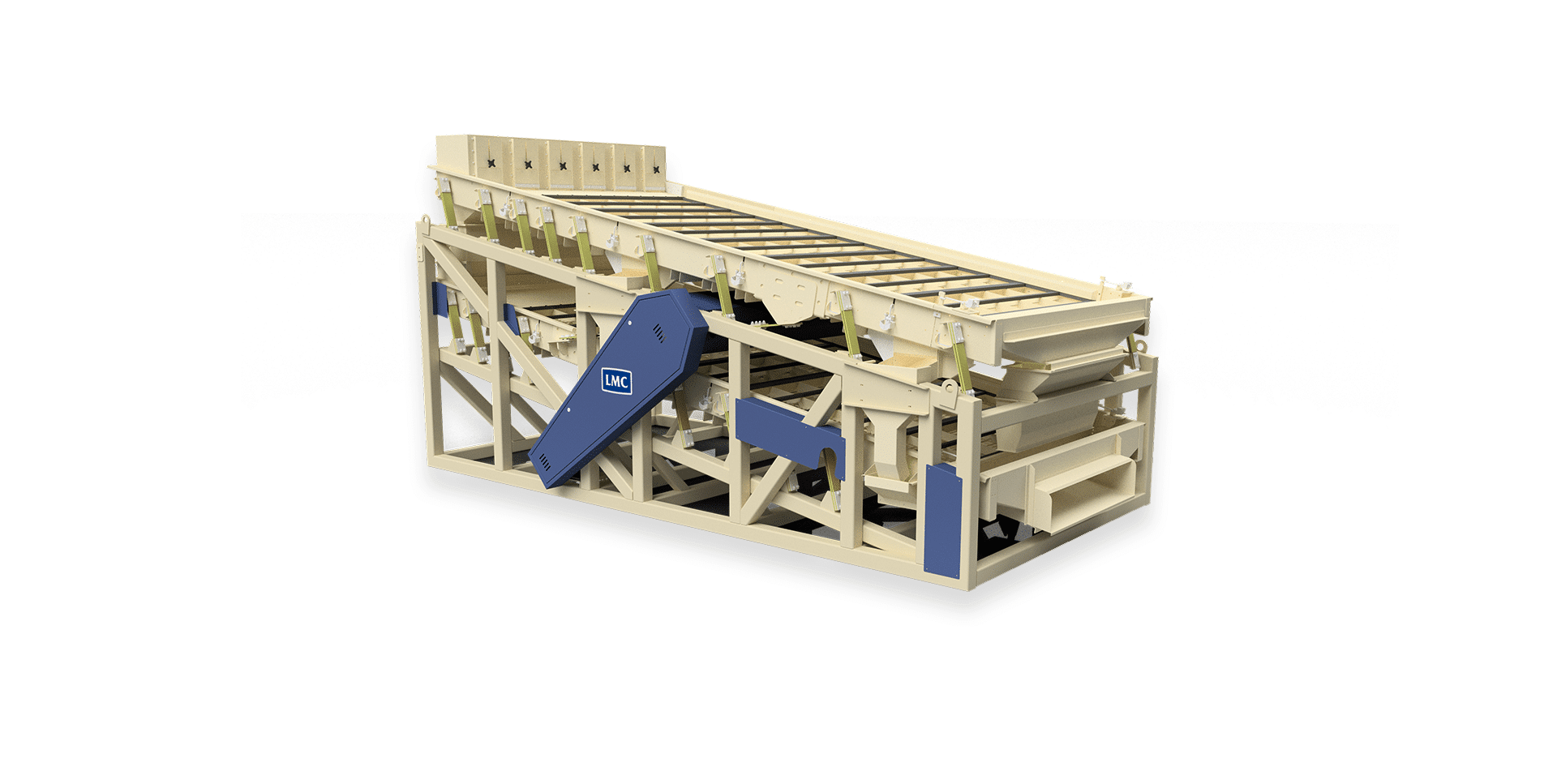
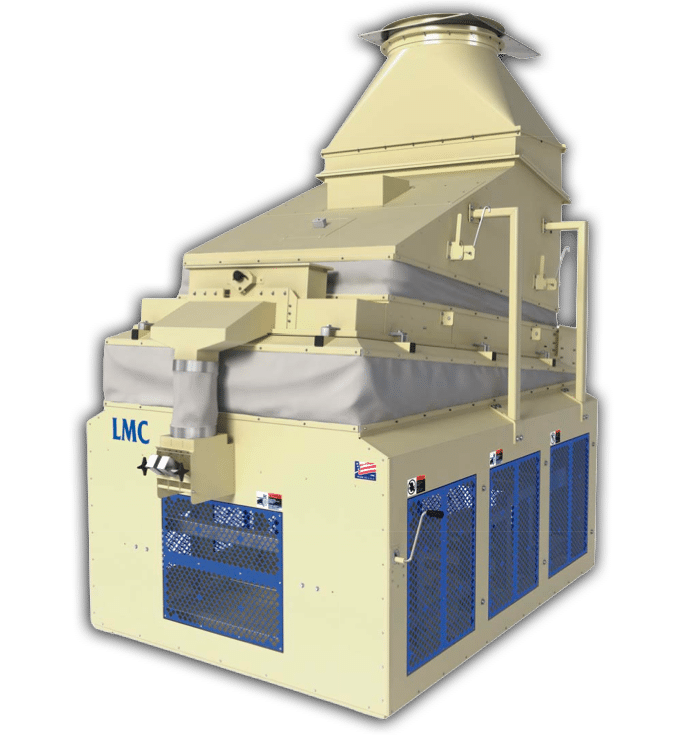
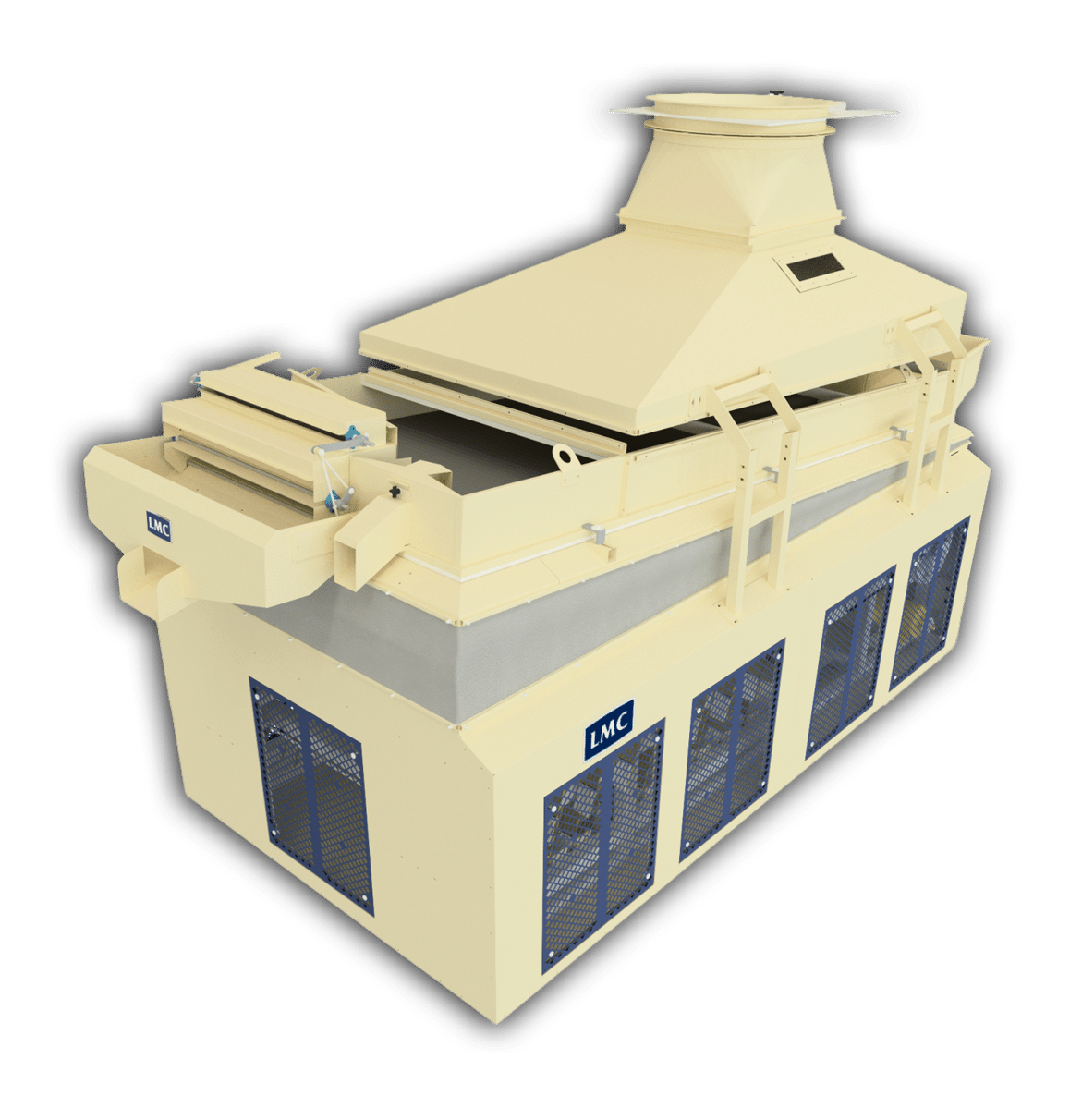
A destoner removes heavy foreign material such as stones, dirt clods, and glass that is denser than the crop. A gravity separator works within the seed lot itself, separating light, shrivelled, or immature kernels from heavy, well-filled ones. Both use airflow and vibration but target different density ranges. In most lines the destoner comes first to remove heavy contaminants, followed by the gravity separator for precise density grading of the crop.
What is the difference between an air screen cleaner and a gravity separator?
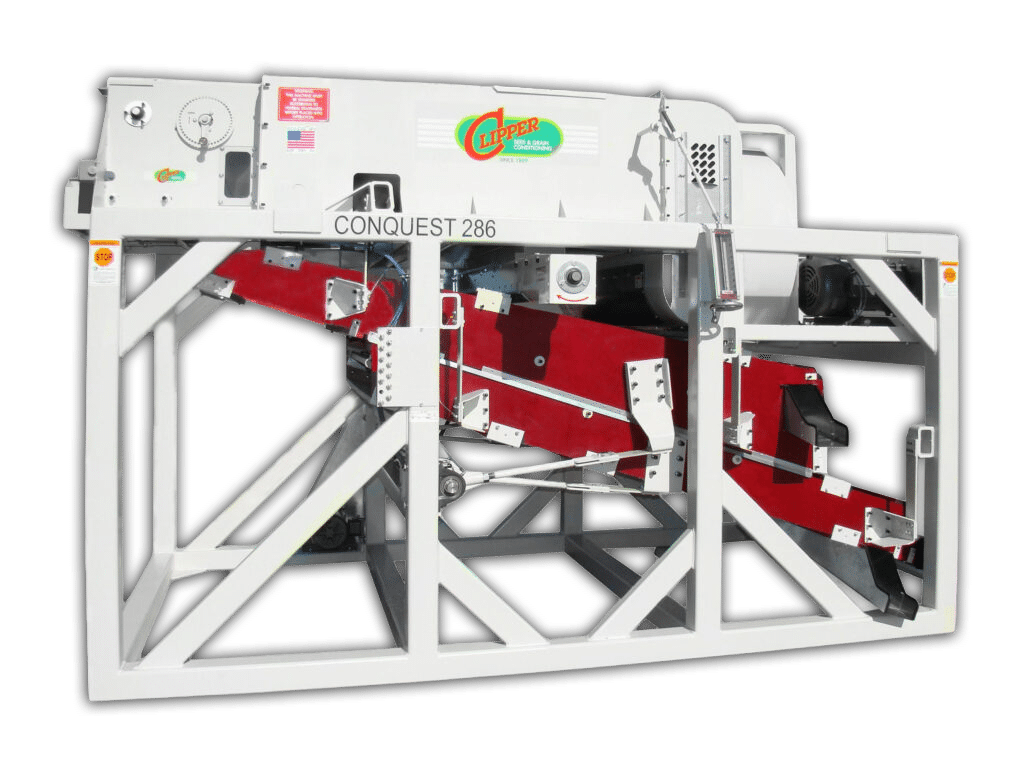
An air screen cleaner separates by size and weight: screens remove material that is too large or too small, and aspiration removes light material. A gravity separator separates by density, so it can split two kernels that are the same size but different in weight. The air screen cleaner does the bulk separation first, and the gravity separator follows to refine the product.
Which machine removes wild oats from wheat?
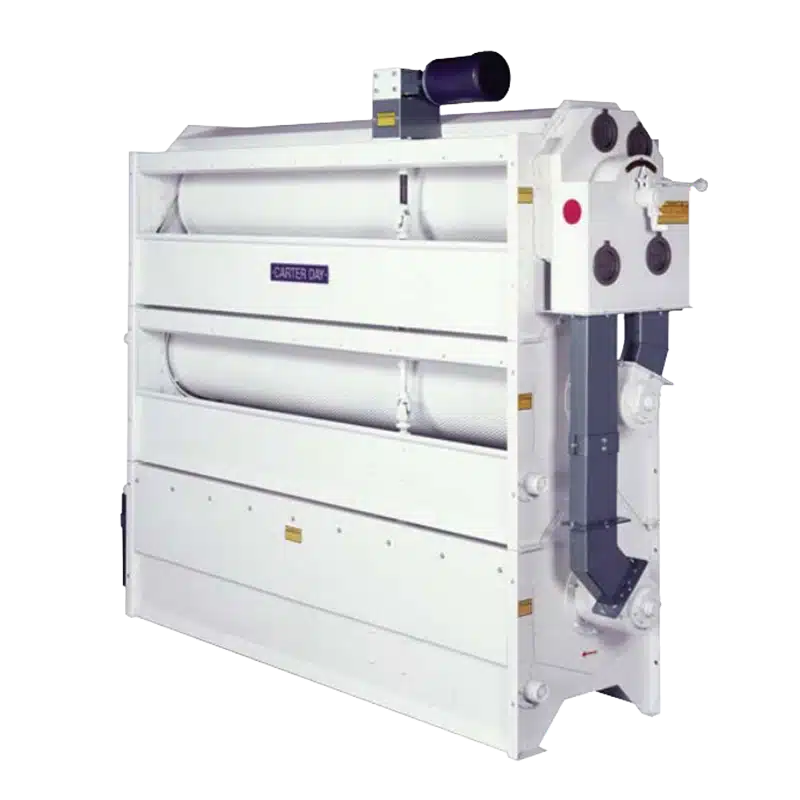
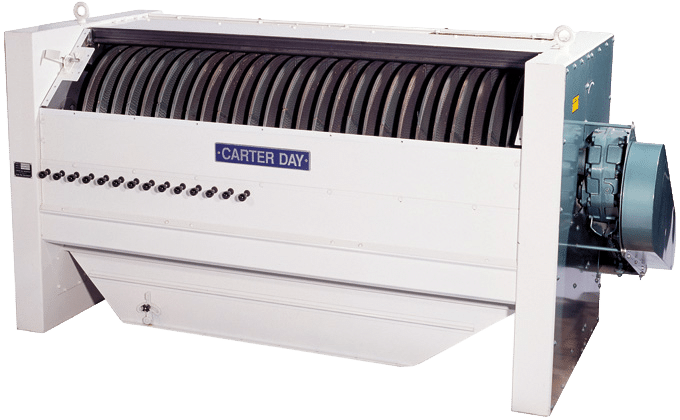
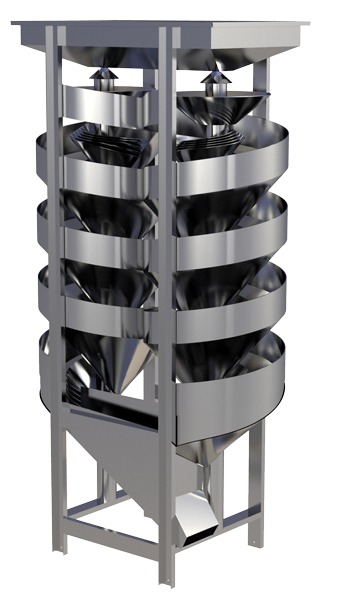
An indent separator. Wild oats are about the same width and weight as wheat, so screens and air cannot separate them, but they are longer. A Carter Day Uniflow indent cylinder lifts the shorter wheat kernels out and lets the longer oats tail out the end. For several length separations at once, a Carter Day disc separator or Disc Cylinder Separator can be used.
What seed cleaning equipment do I need for lentils and peas?
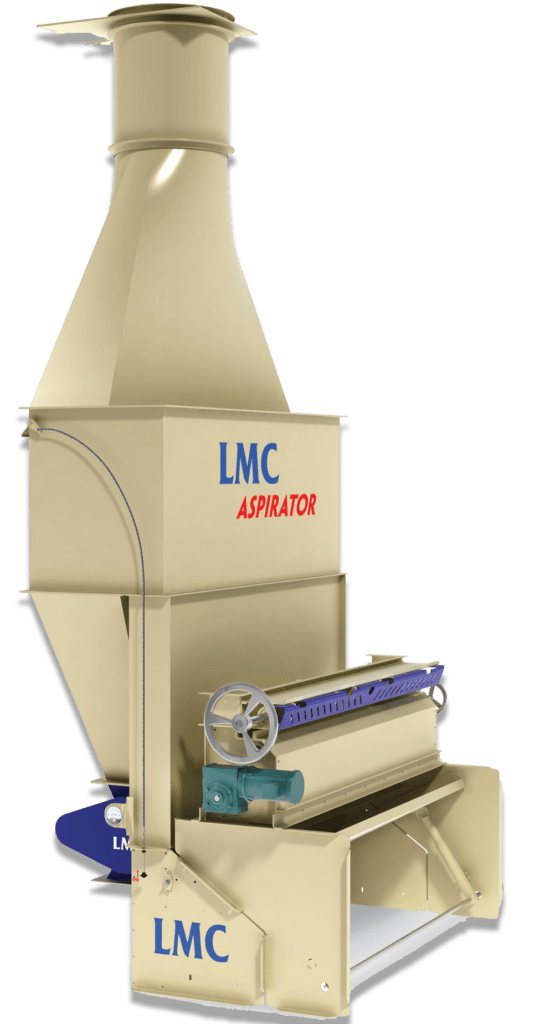
A typical lentil or pea line includes an aspirator and an air screen cleaner to remove field debris, a destoner for stones, a gravity separator for shrivelled or light seed, and a VistaSort optical color sorter to remove discolored or damaged seed. A sizing shaker makes export size grades, and a bean polisher is added in food-grade lines. Vistasort configures each line to your throughput and grade targets.
What equipment is used for ergot removal from wheat?
Ergot removal usually combines gravity separation and optical color sorting. Ergot bodies differ in density from wheat kernels, so a gravity separator removes most of the contamination, and a VistaSort optical color sorter removes the rest by their dark color. Ergot tolerances in Canadian wheat are set by the
Canadian Grain Commission and vary by grade.
How does the VistaSort optical color sorter work?
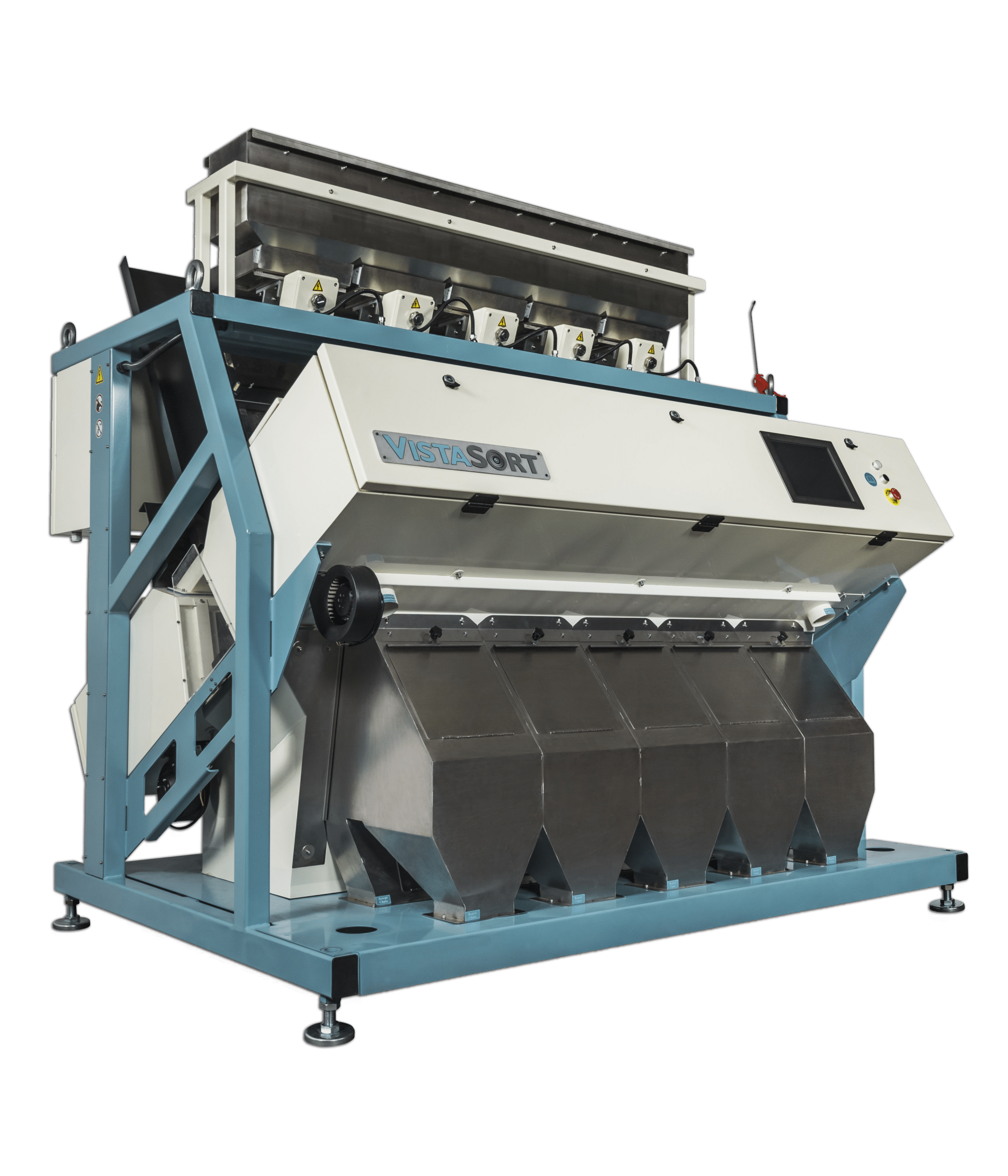
Product flows by gravity down a chute past high-resolution CCD cameras, with optional infrared cameras for defects the eye cannot see. When the system detects a defect such as a discolored, diseased, or foreign kernel, a high-speed ejector removes it from the stream in milliseconds. VistaSort color sorters are built by Vistasort, with more than 180 systems installed in over 20 countries.
Can Vistasort supply a complete seed cleaning line or just individual machines?
Both. Vistasort supplies individual machines for operations adding capacity or replacing equipment, and designs and builds complete turnkey seed cleaning and grain processing plants. Completed projects include the Strathmore Seed Cleaning Plant, Galloway Seeds, Starland Seed Plant, and Camrose County Seed Cleaning Plant. For new facilities, Vistasort provides 3D layout design, equipment selection, conveyance, installation, commissioning, and operator training.
Does Vistasort supply equipment for on-farm seed cleaning?
Yes. Vistasort supplies on-farm seed cleaning equipment scaled for individual farms, including farm-scale Clipper air screen cleaners, aspirators, and small gravity separators. Equipment is selected based on your acres, crop mix, and whether you are cleaning for retained seed, certified seed, or direct sale.