What is an optical color sorter used for in seed and grain processing?
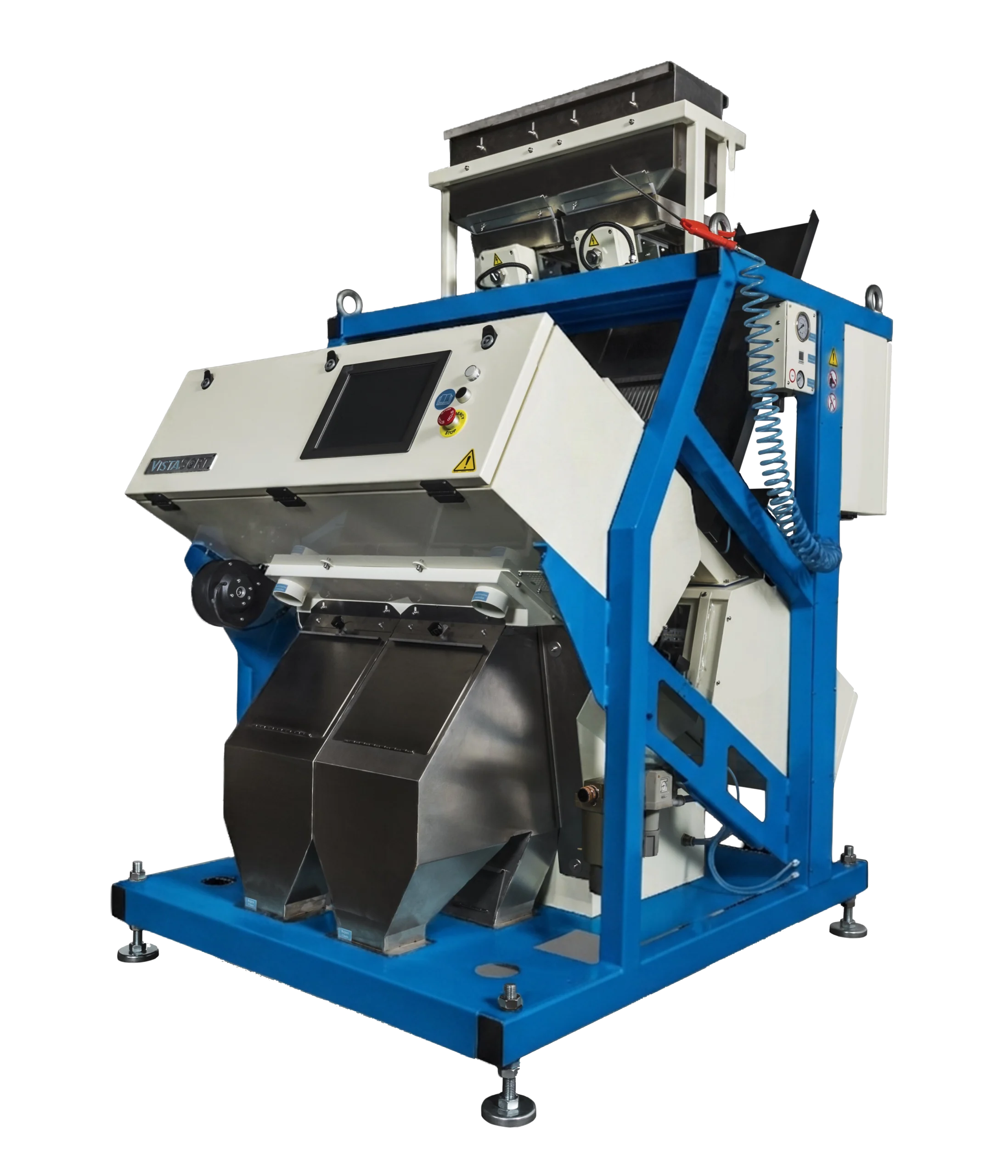
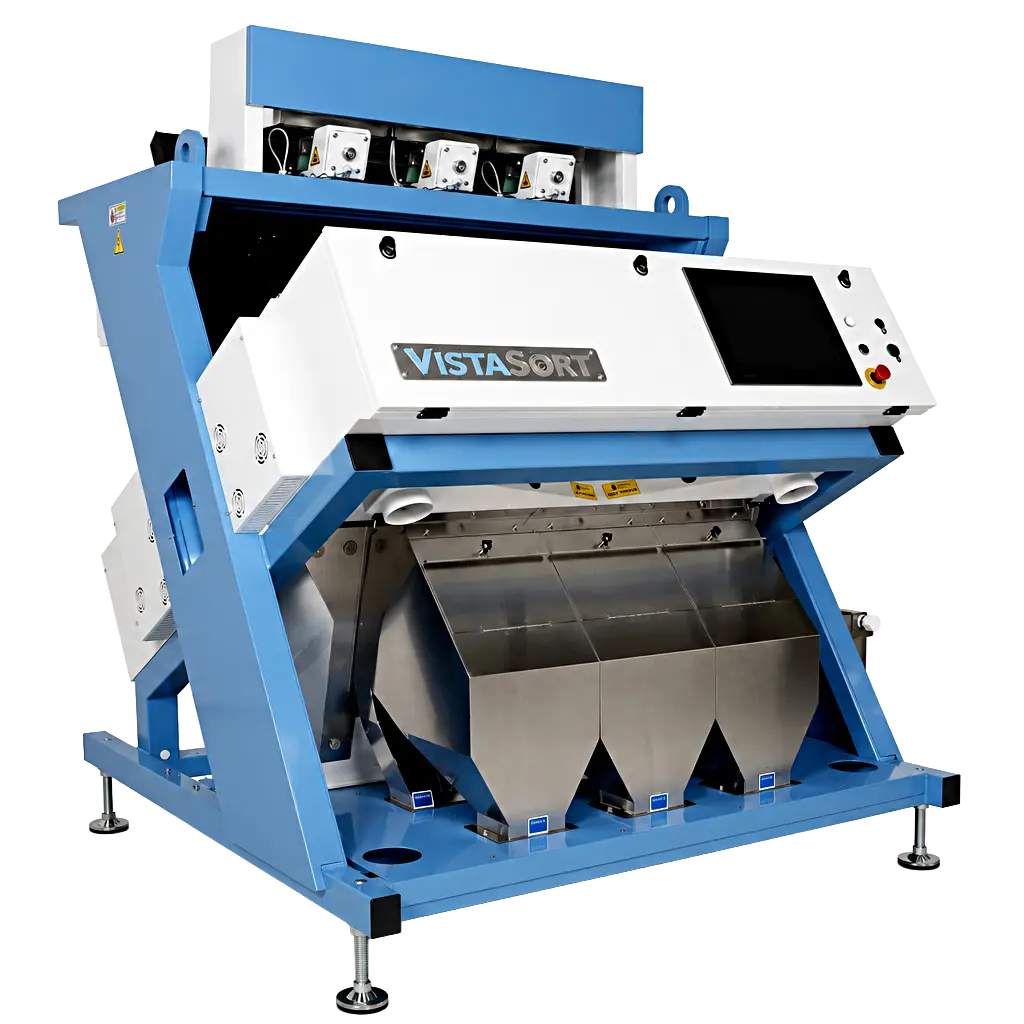
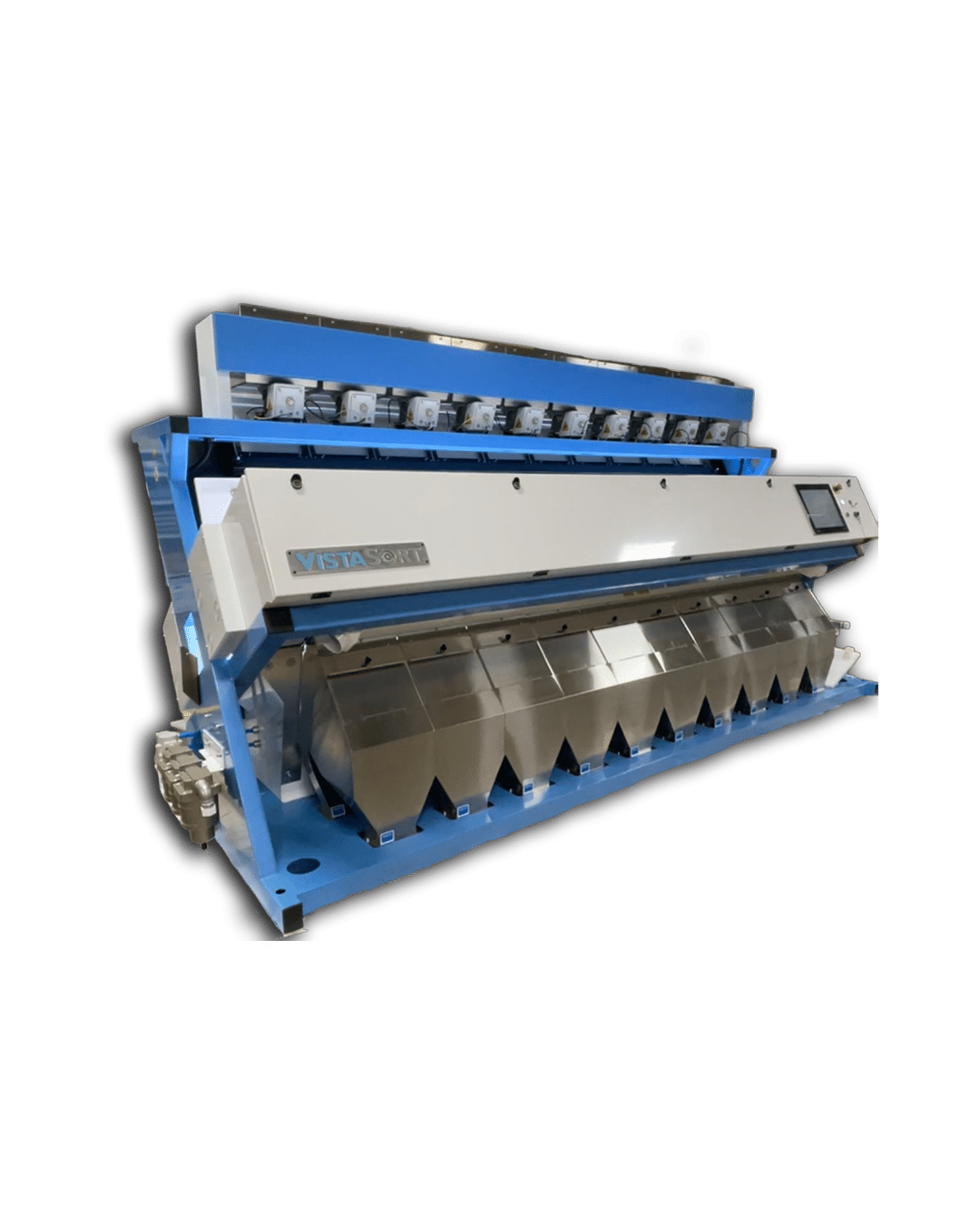
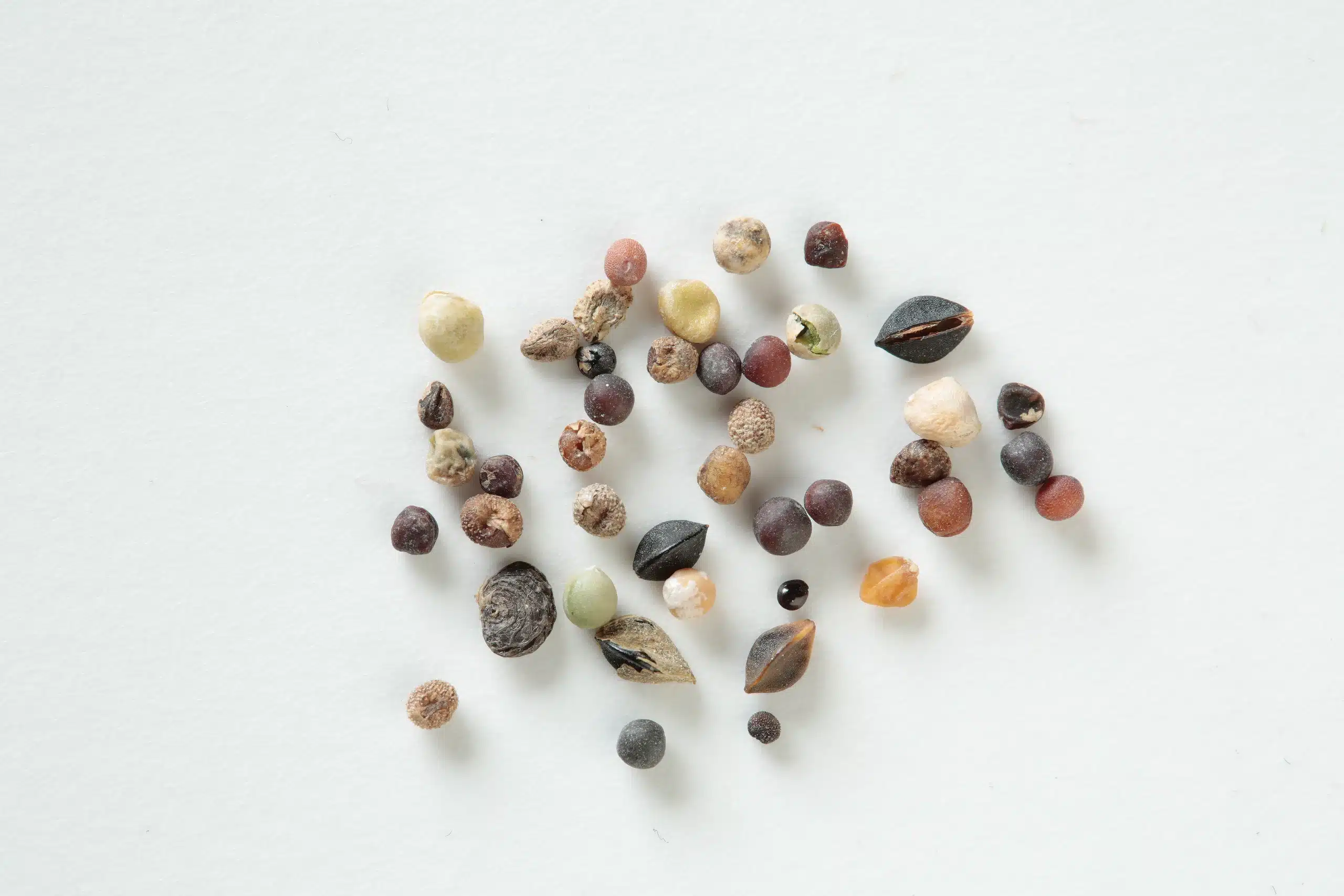
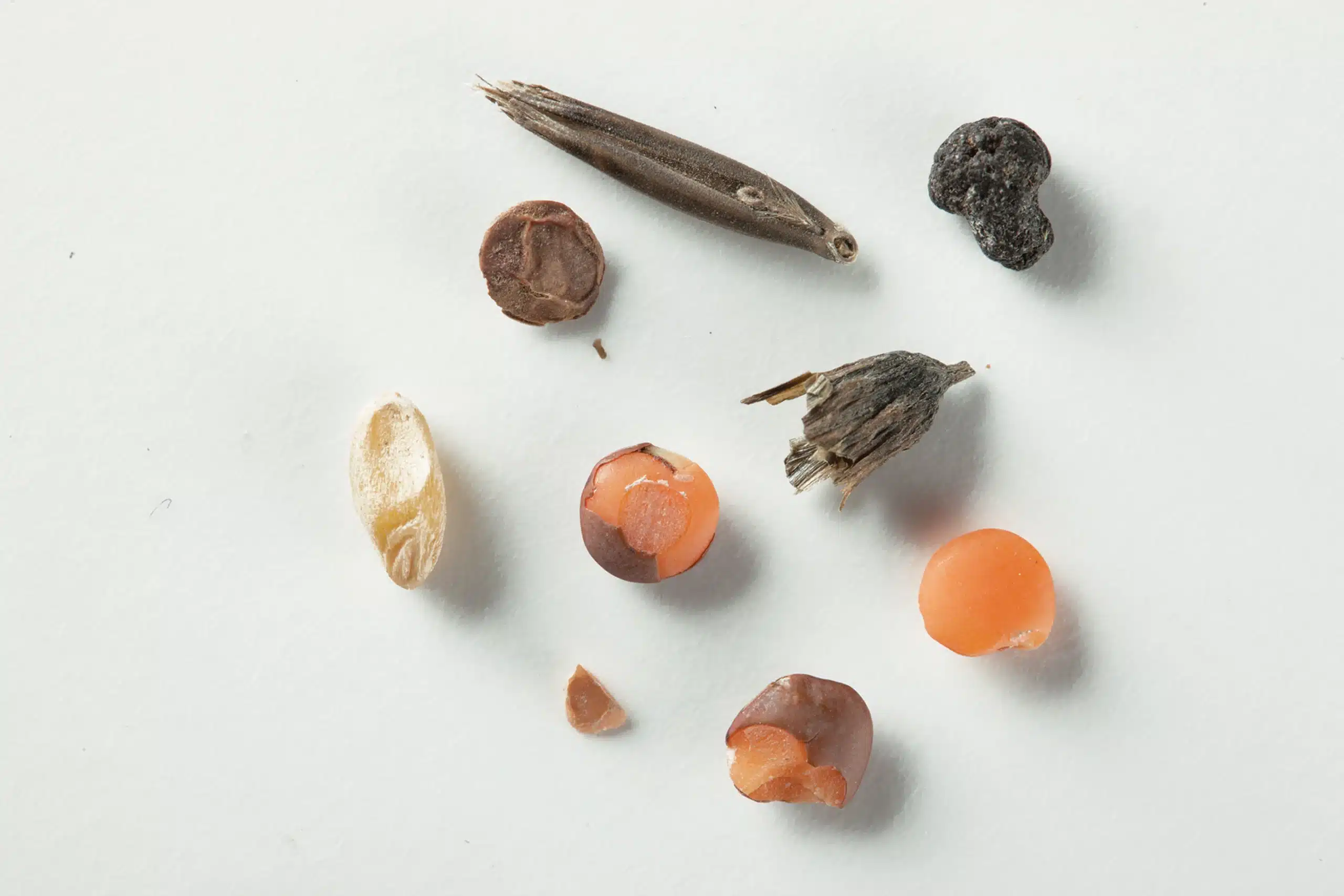
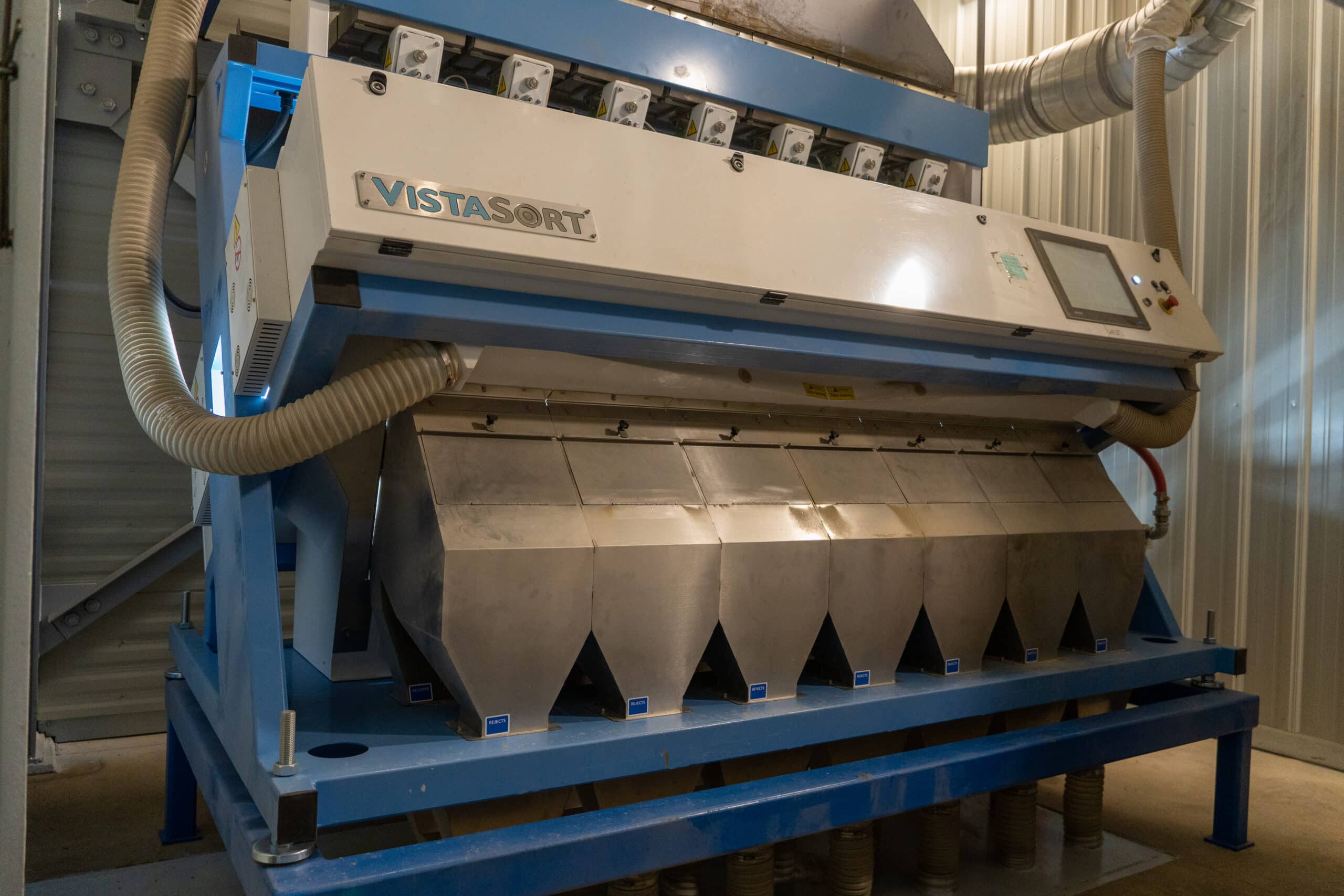
An optical color sorter uses high-resolution cameras and precision air ejectors to remove unwanted material from seed and grain based on color, shape, and size. It removes defects that gravity separators and screens cannot detect, including discolored seed, foreign material, disease-damaged kernels, and broken product, improving purity, consistency, and market value.
How does a VistaSort optical color sorter work?
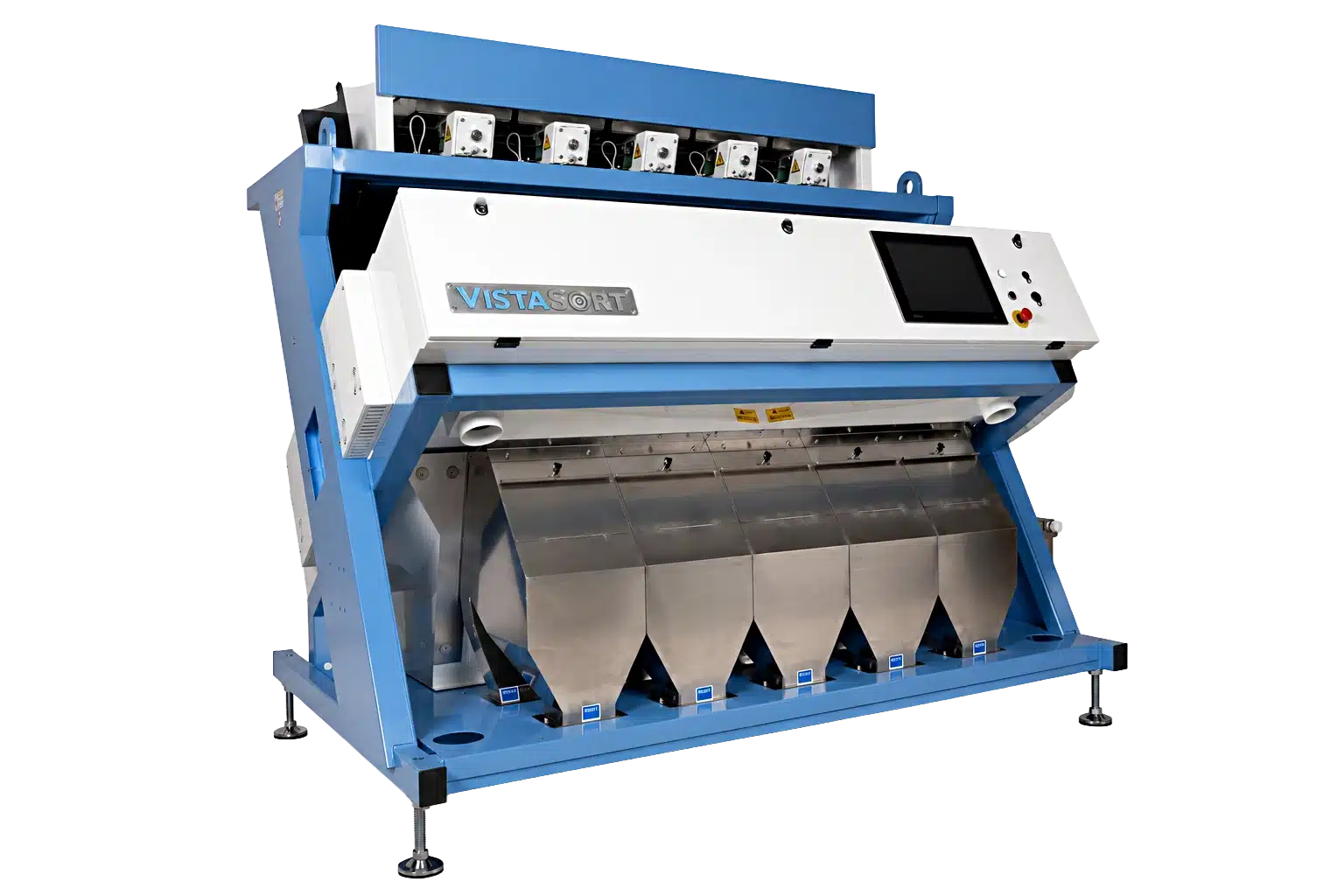
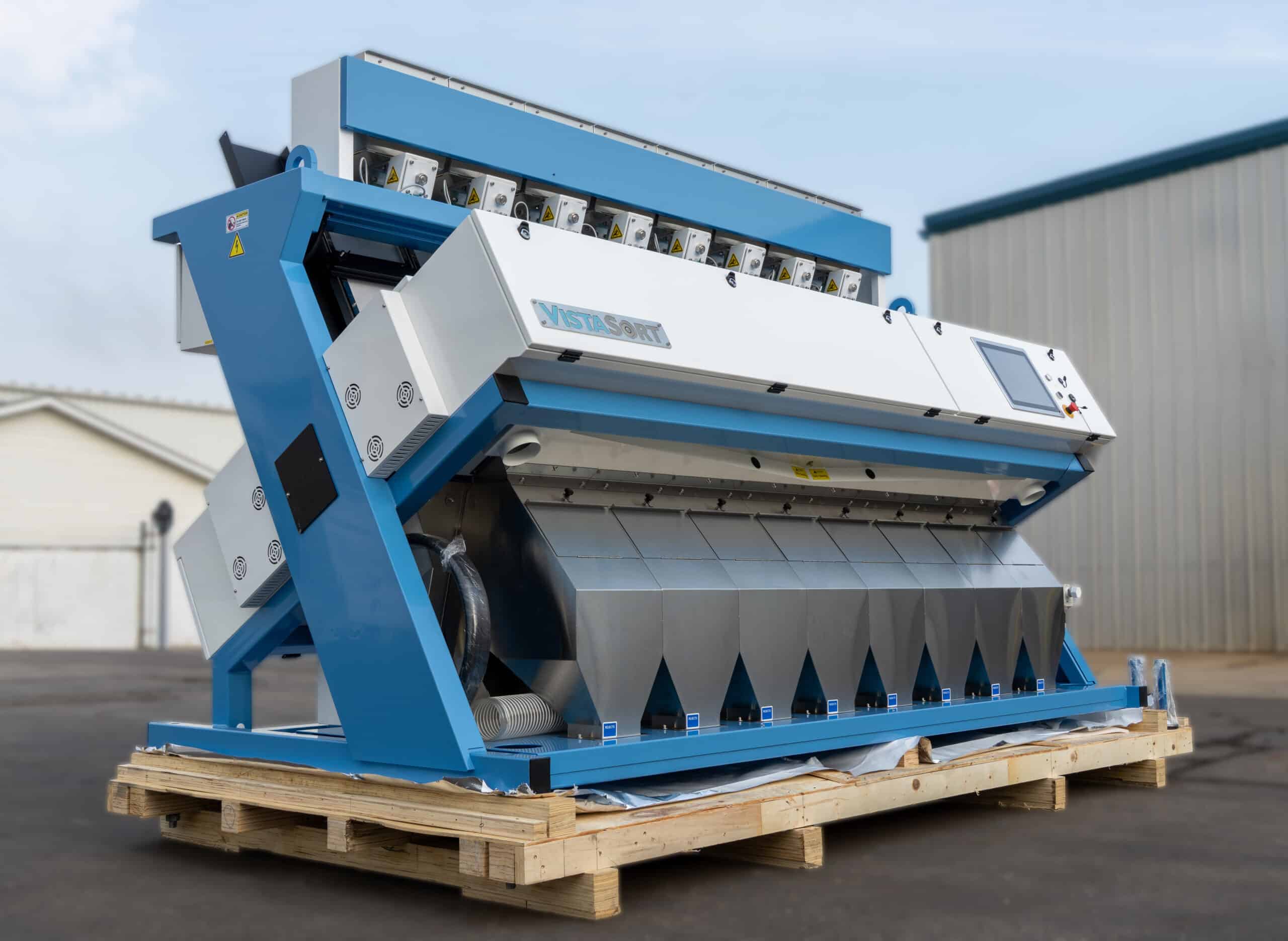
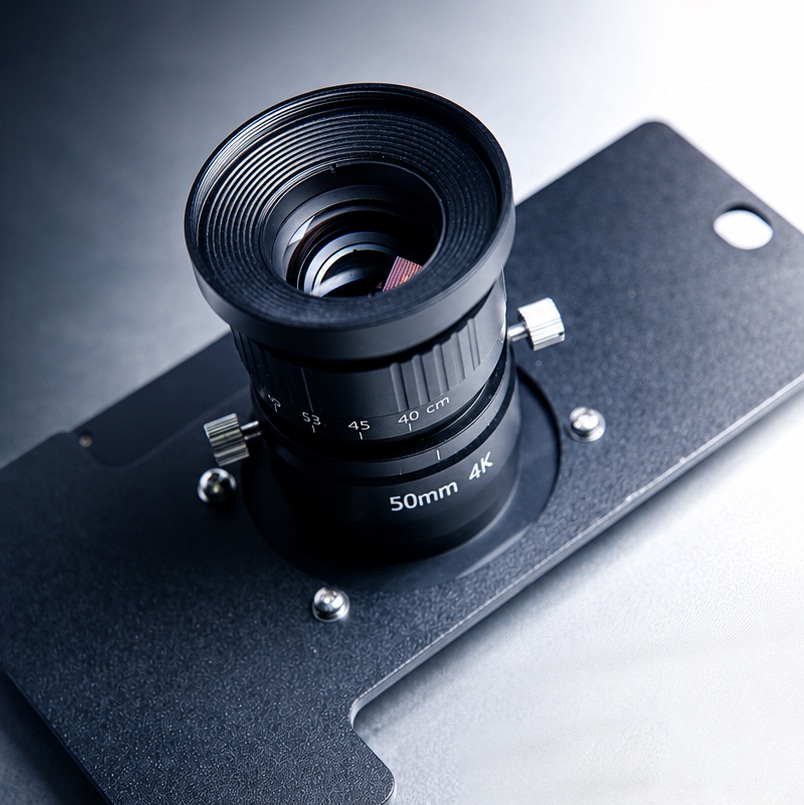
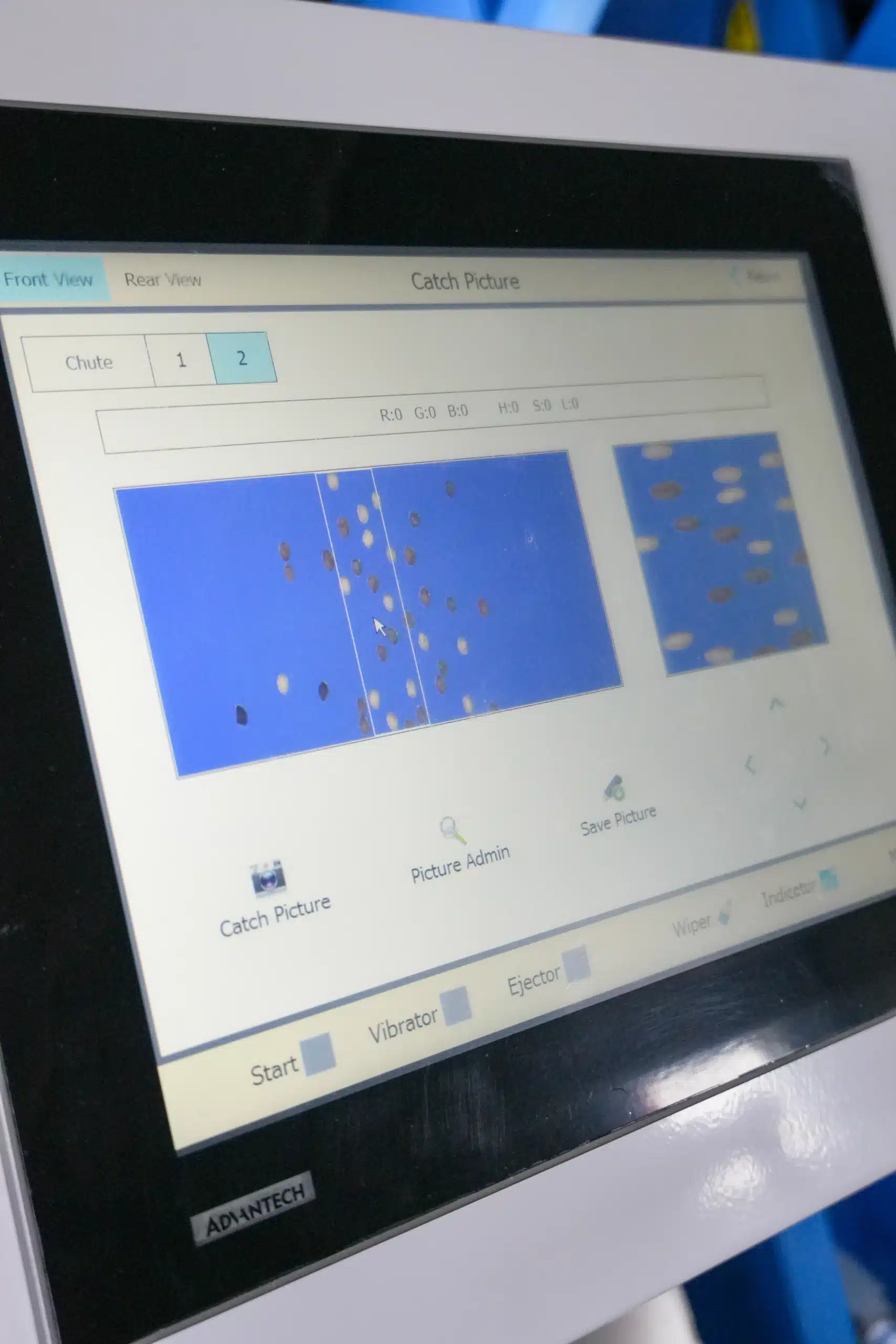
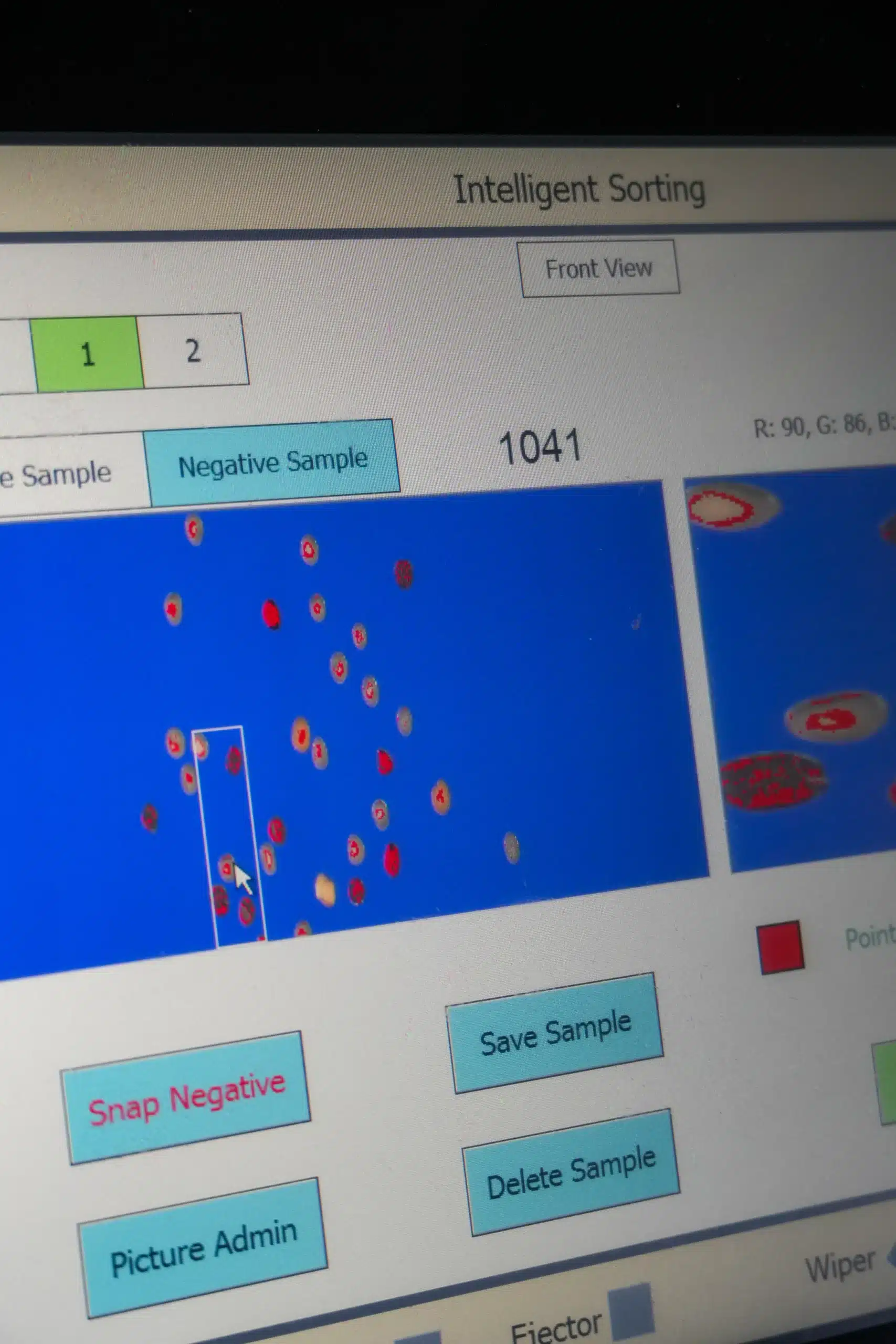
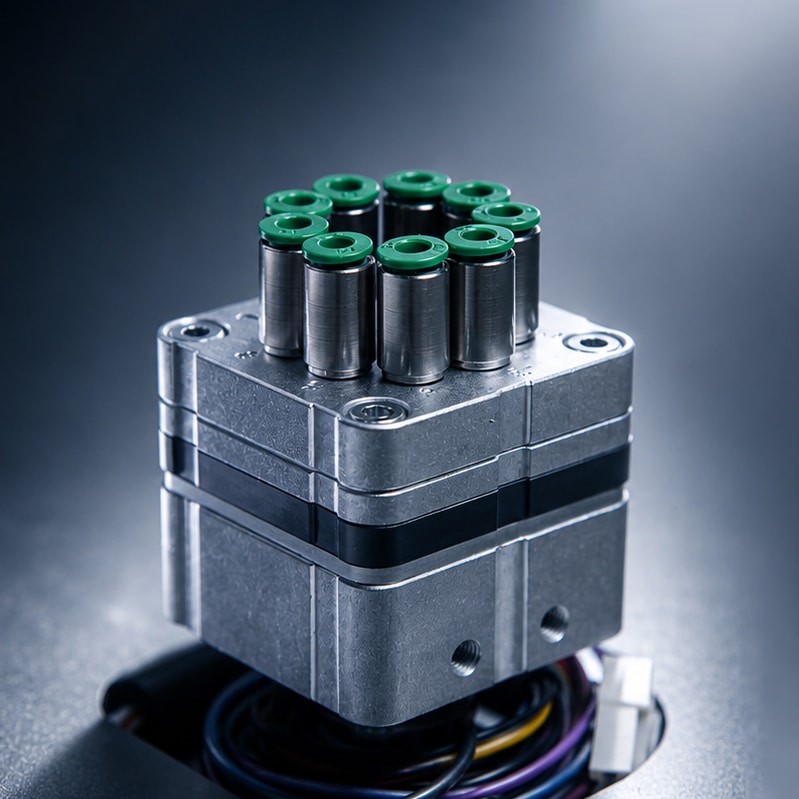
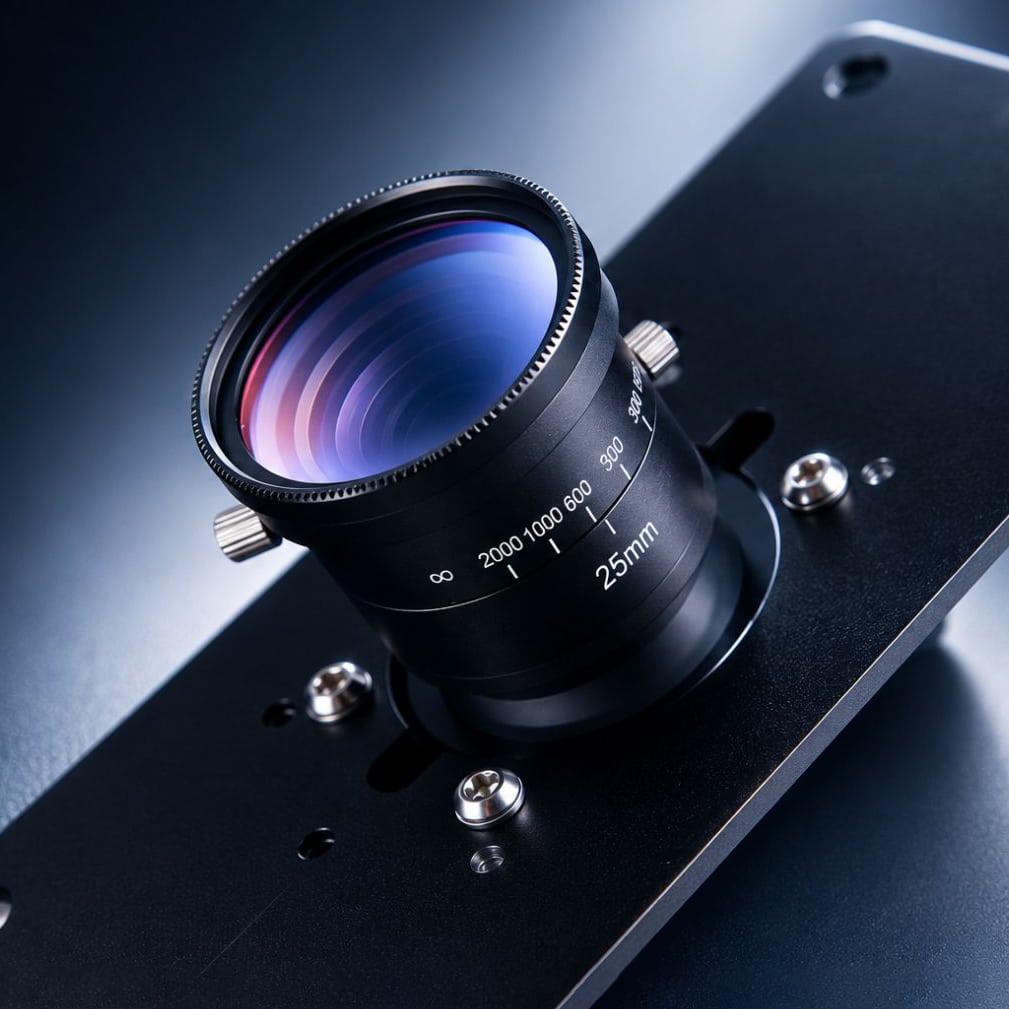
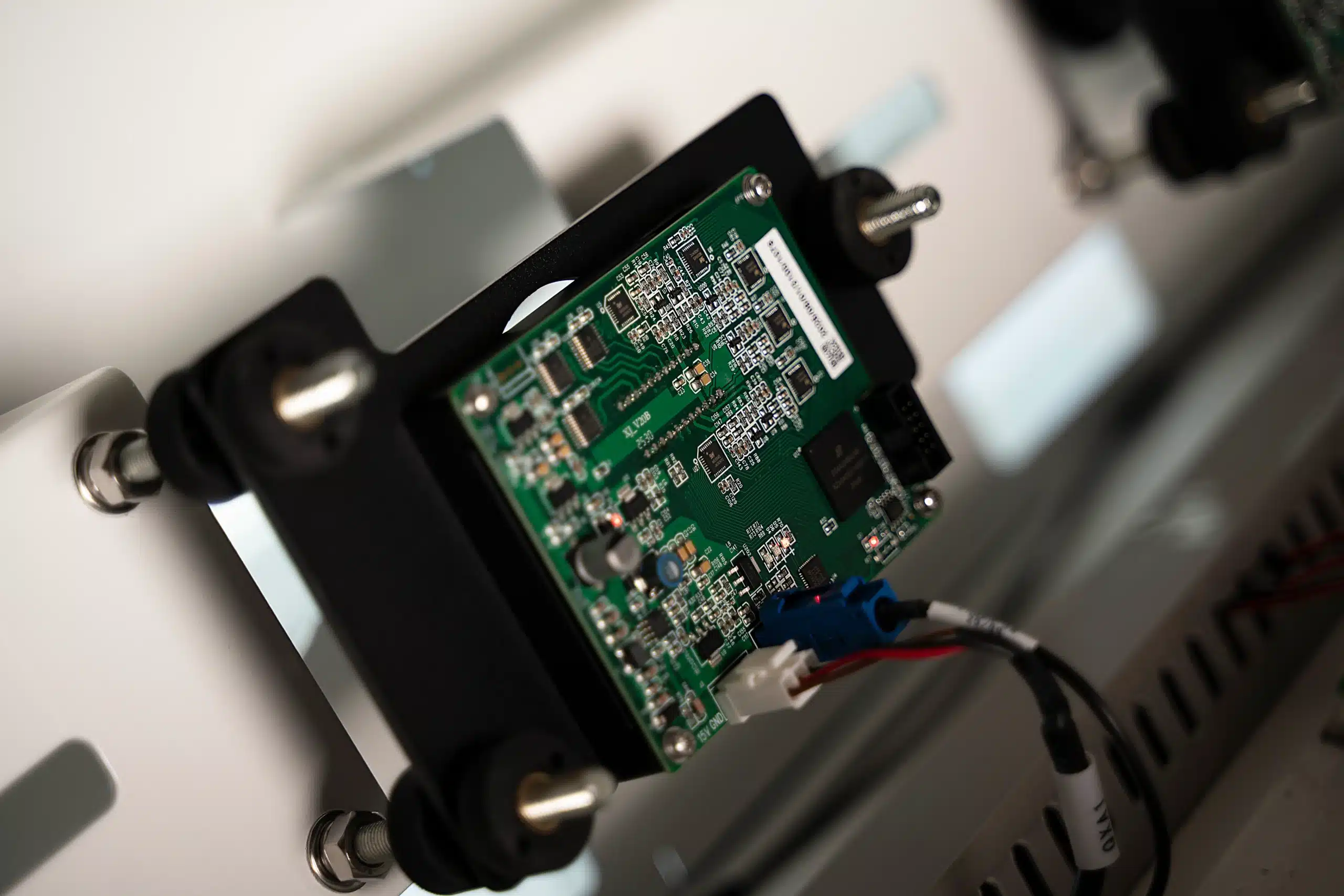
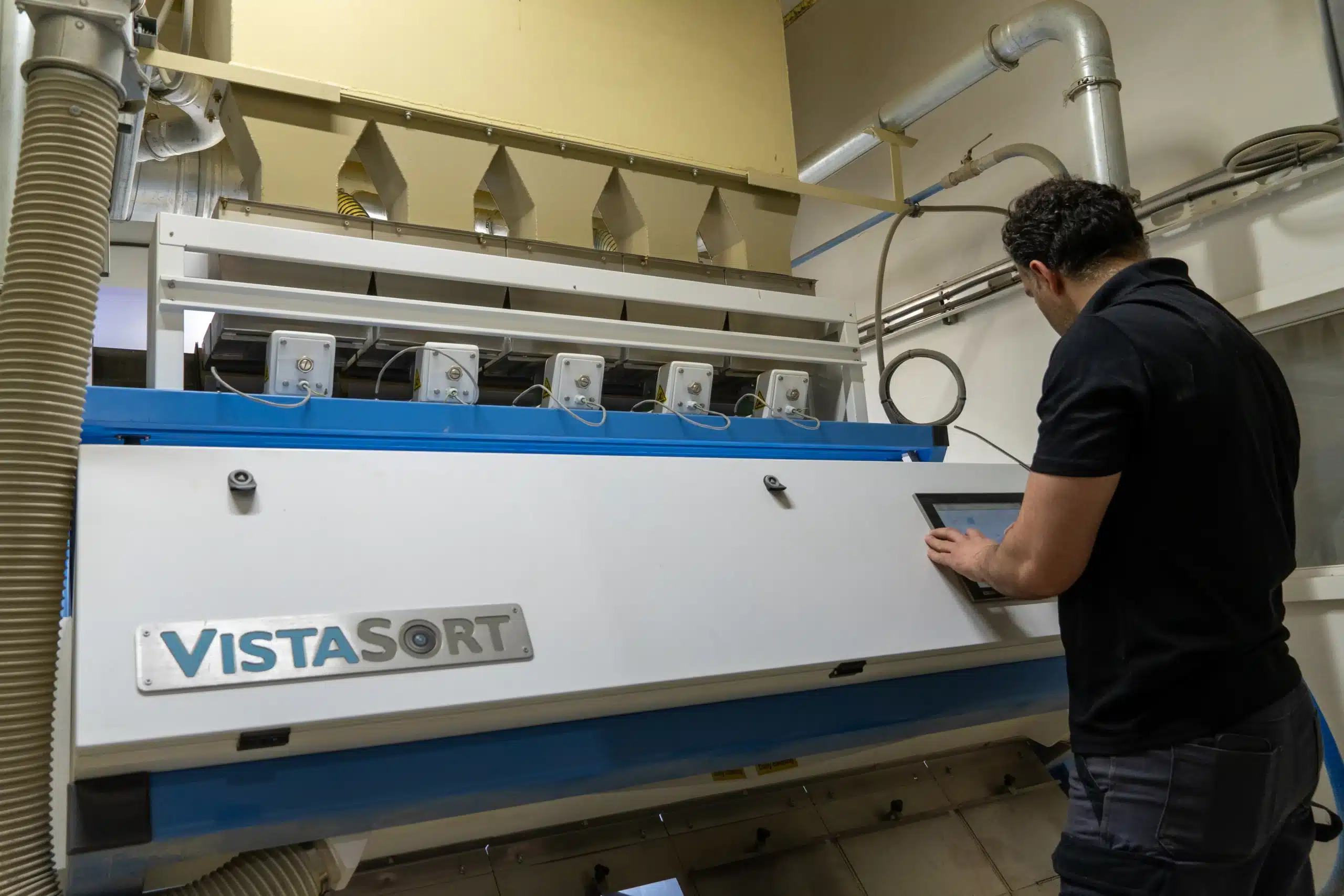
VistaSort color sorters inspect each kernel as it flows by gravity through a 300mm anodized chute, using high-resolution CCD cameras and optional infrared cameras. When the system detects a defect, a high-speed electromagnetic ejector fires and removes it from the product stream in milliseconds, while accepted product continues through undisturbed.
What sorting accuracy can I expect from a VistaSort color sorter?
VistaSort optical color sorters are rated for 99.99% sorting accuracy, with a bad-to-good rejection ratio of 10:1 when using re-sort. Visible camera resolution is 0.04mm², and optional infrared resolution is 0.16mm², allowing detection of defects invisible to the naked eye.
What is the difference between the VistaSort Mini and the commercial VistaSort models?
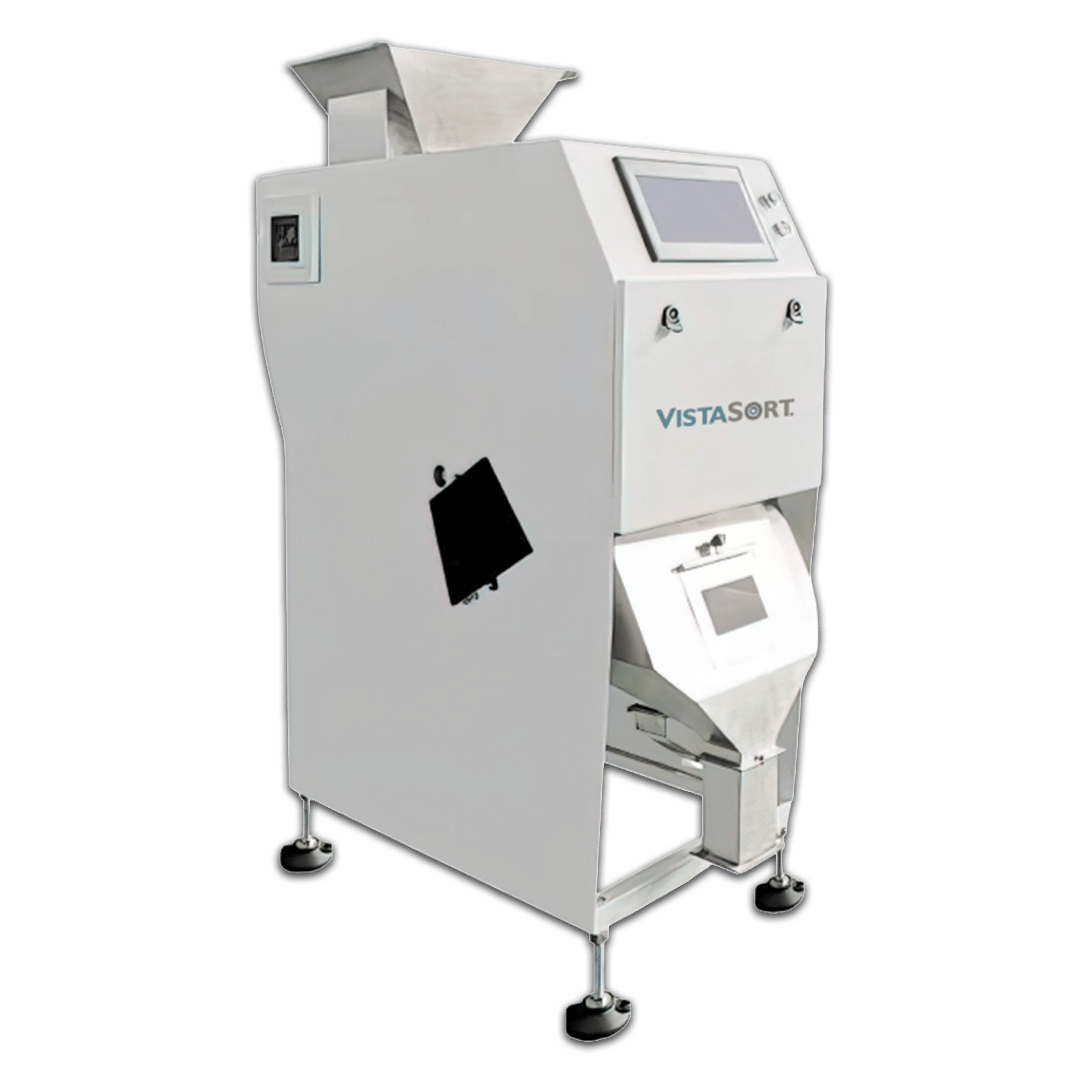
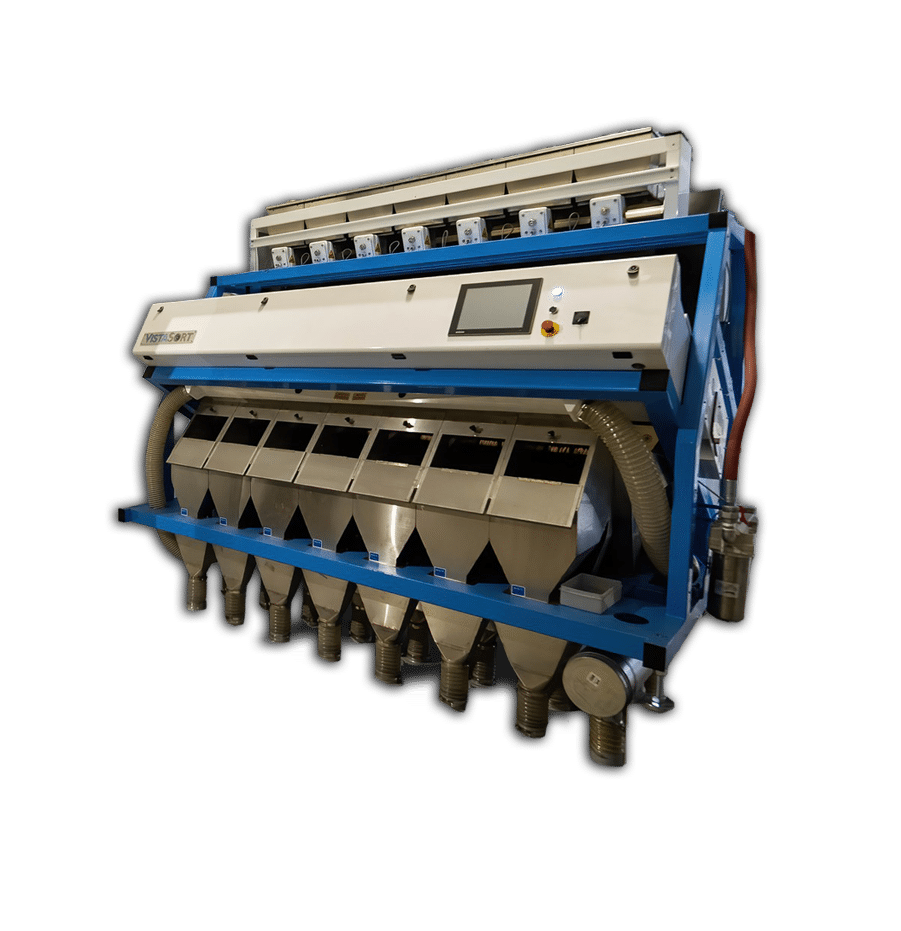
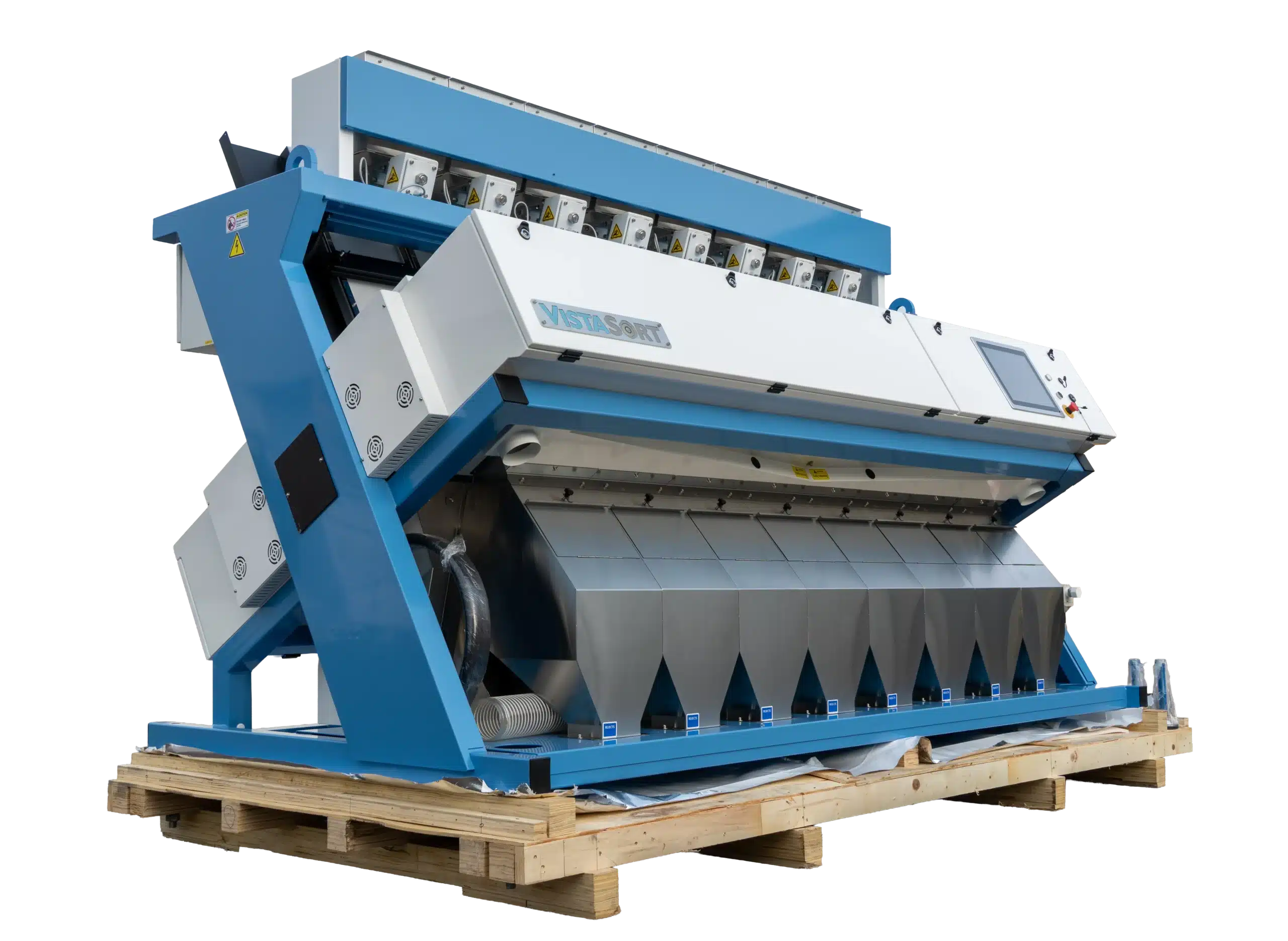
The VistaSort Mini is a compact system with its own specifications, engineered for research facilities, seed trials, and specialty crop operations. The separate commercial VistaSort lineup ranges from 1-Chute up to 10-Chute configurations, with confirmed specifications published through CCD 5-315, for operations requiring higher throughput.
What throughput can a VistaSort color sorter handle?
Throughput depends on the model and the percentage of impurities in the incoming product. VistaSort CCD models range from approximately 1-5 tonnes per hour on the 1-Chute configuration up to 6-15 tonnes per hour on the 5-Chute system, with higher-throughput 6-Chute through 10-Chute configurations also available.
What is the benefit of the optional infrared camera on a VistaSort color sorter?
The optional infrared (IR) camera, paired with high-intensity halogen lighting, detects foreign material and defects that are not visible to a standard colour camera, such as certain plastics, glass, and internal moisture-related damage. IR resolution on VistaSort systems is 0.16mm².
How long do the ejectors on a VistaSort color sorter last?
VistaSort color sorters use Italian-made electromagnetic solenoid ejectors rated for approximately 10 billion ejections, engineered for high-precision, high-speed defect removal over a long operating life.
Does Vistasort offer free lab sample testing?
Yes. Vistasort offers free lab sample testing in our Saskatoon, Saskatchewan lab. Send us a representative sample of your crop and our team will run it through a VistaSort optical color sorter, then send back rejects-versus-accepts results and performance data from your own product, at no cost and with no obligation.
Does Vistasort provide optical color sorting equipment across Canada?
Yes. Vistasort provides optical color sorting equipment to processors across Canada, with our strongest presence in Western Canada, including Alberta and Saskatchewan, and growing availability in Ontario. Every VistaSort optical color sorter is designed, manufactured, and supported from our Saskatoon, Saskatchewan facility, with equipment shipped nationwide.
How is optical color sorting different from gravity separation?
Gravity separators separate seed by density, while optical color sorters separate by visual characteristics such as color, shape, and size. Many processing lines use both machines together, since the two technologies are complementary and address different types of defects.