
Grass and forage seed can be tiny and heavy or large and light, and a lot of it bridges or flows poorly through standard handling equipment. Vistasort configures grass seed cleaning equipment around size, shape and gentle product movement, up to certified seed purity, and tests your sample before you buy.
Not sure what you need? Build your grass seed line in 10 seconds ↓
Pick your crop and tap what you need to fix. We will lay out the machines in the order your seed runs through them, with a link to each one.
Cleaning something else? Search all equipment by crop or problem.
A typical timothy line: aspirator, air screen cleaner with fine wire mesh, gravity separator, spiral separator and vibratory conveyors. Pick what you need to fix to fine-tune it.
Grass seed cleaning equipment has a different job than a cereal, pulse or oilseed line. Some grass and forage varieties are tiny and heavy, others large and light, and many flow poorly or bridge in bins, hoppers and conveyors, a problem that barely comes up with wheat or lentils. Weed seeds are often the same size as the crop, which pushes cleaning toward shape-based separation more than most crops need.
Screening and gravity separation still do most of the work, but a disc separator or spiral separator is often needed to finish the job, and how seed physically moves through the plant matters more here than almost anywhere else.
Vistasort has configured grass and forage seed lines for Canadian processors since 1986, anchored by the LMC Marc gravity separator and LMC vibratory conveyors. LMC brings more than 70 years of experience designing and building processing equipment.
A complete line of grass and forage seed cleaning equipment is built from these machines, listed in the order seed moves through them. Not every crop needs every machine: see the crop table below or use the line builder above.
Pulls ferrous metal out before it damages machines or seed.
View → Pre-cleaningRemoves dust, chaff and light material before screening.
View → Primary cleaningClipper primary separation with fine wire mesh screens for very small seed.
View → SecondaryLength separation for foreign seed that is longer or shorter than the crop.
View → SecondaryPocketed discs make several length separations in one pass.
View → SecondaryPrecise separation, even for very small density differences.
View → ShapeSeparates round seed from flat or irregular material of the same size.
View → ProcessingVSH-2096 dehulling for select crops.
View → Final sortColor-based purity upgrade for certified seed lots.
View → Every stageGentle, counterbalanced conveying that resists bridging.
View →Swipe to see all 10 machines →
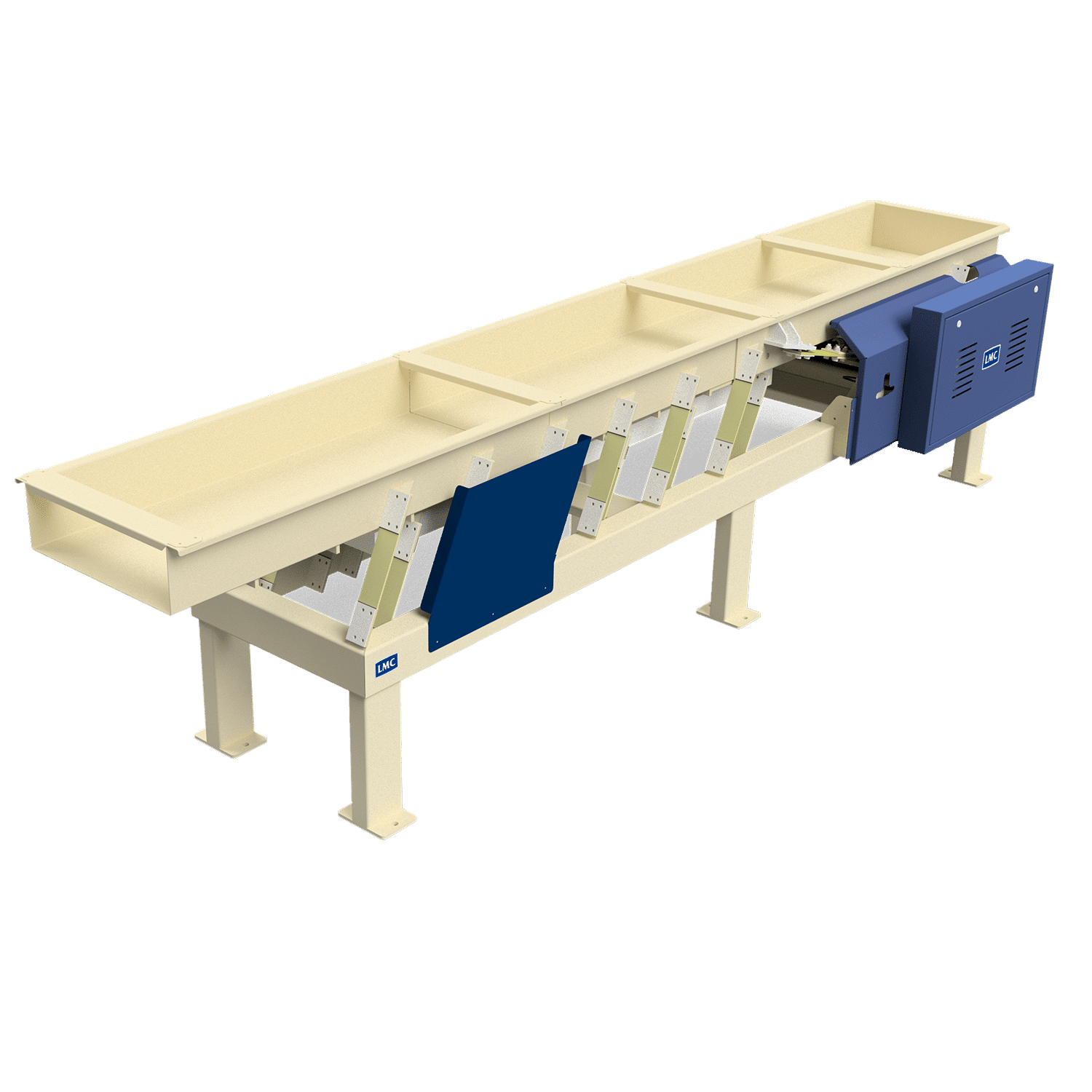
Grass and forage seed has a handling problem most cereals and pulses do not: it flows poorly or bridges in bins, hoppers and standard conveyors. Impact, tumbling and free-fall damage fine seed and make bridging worse. The LMC vibratory conveyor uses a counterbalanced eccentric drive to move product gently down a pan, without the impact that causes damage or clogging.
LMC vibratory conveyors come in six series with pans from 8 to 84 inches wide, and screening models can screen and convey at the same time. It is less about cleaning the seed and more about making sure the seed gets where it needs to go.
Every grass and forage crop shares the same core equipment but needs different configuration decisions. Here is the usual path for each. Seed size varies by variety and harvest year, so ask us for exact screen specs.
| Crop | Goal | Key challenges | Equipment path |
|---|---|---|---|
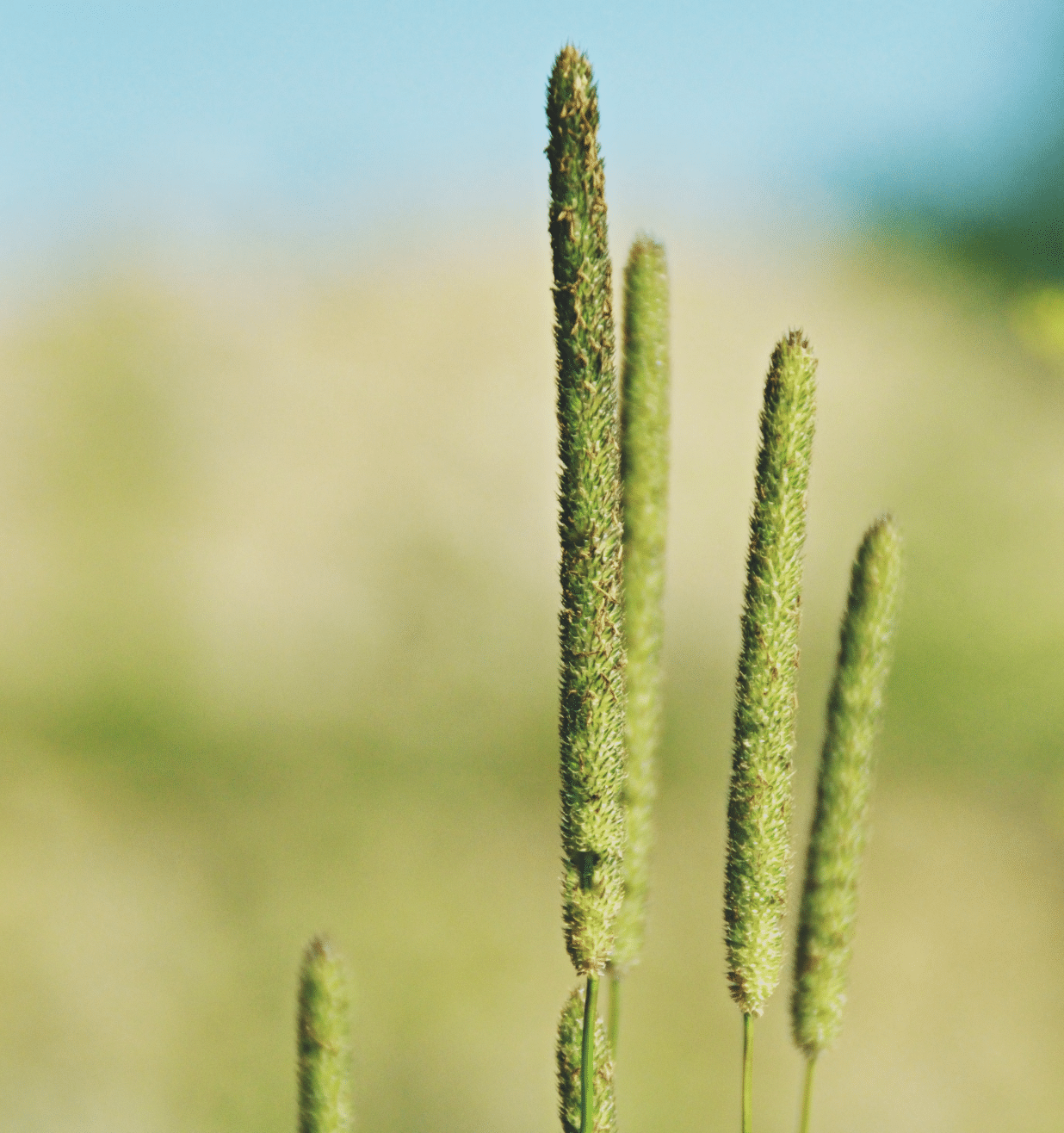 Timothy | Remove fine weed seed; variety purity for certified lots | Very small, light seed; easily lost through oversized screens | |
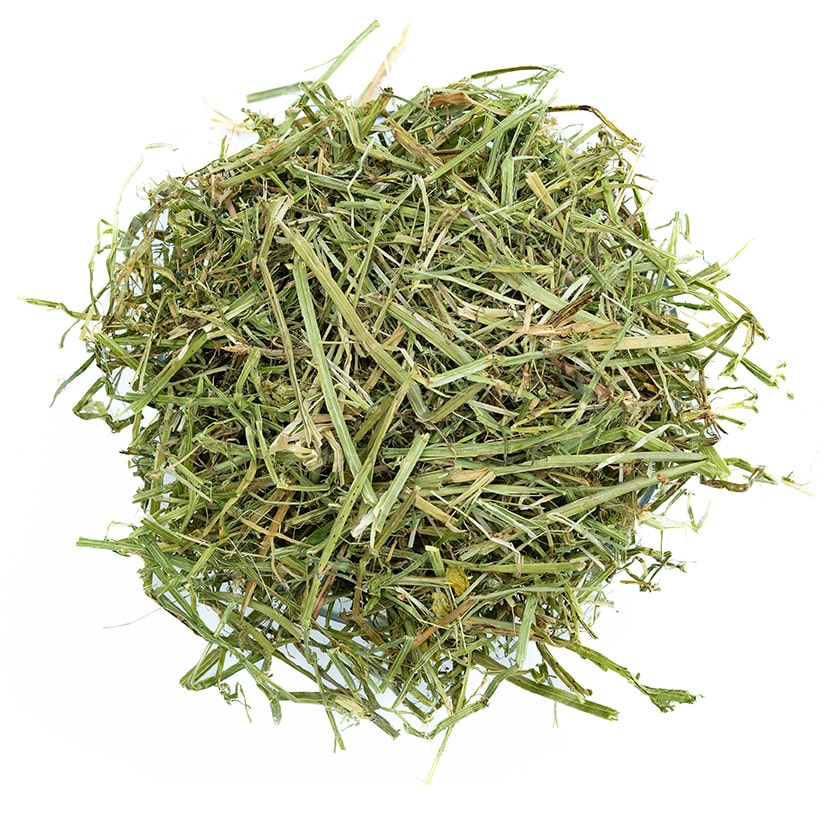 Alfalfa | Foreign material and weed seed removal | Prone to bridging in bins and standard conveyors | |
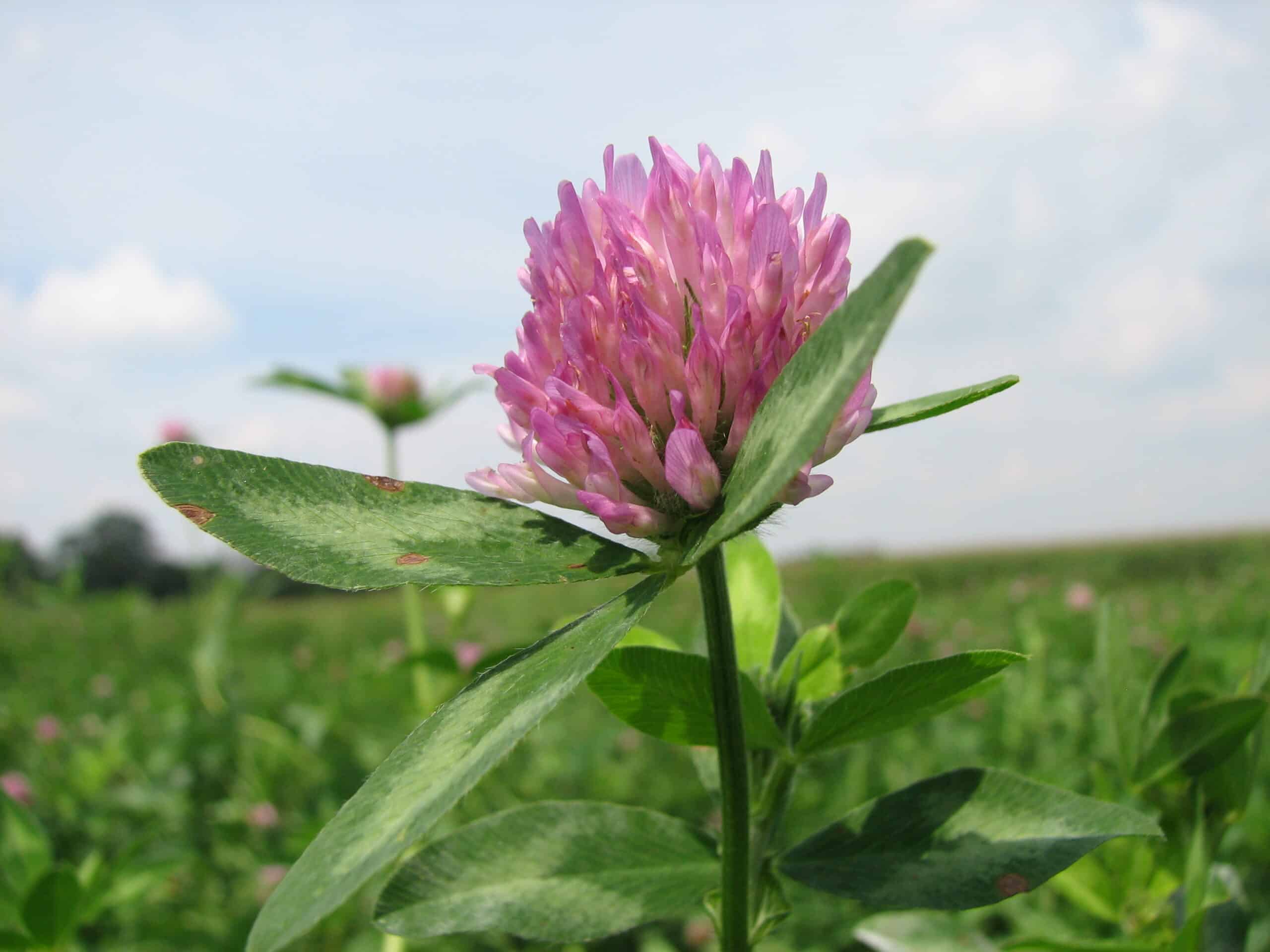 Clover | Weed seed removal; variety purity for certified lots | Small, hard seed; flows poorly through standard equipment | |
 Fescue and Bluegrass | Fine screening; shape-based off-type removal | Extremely fine seed; tight tolerances for certified lots | |
| Ryegrass and Bromegrass | Remove chaff and weed seed; keep seed flowing | Chaffy, awned seed that bridges badly in storage |
Swipe to see all 5 crop groups →
Dark = the machines that make the biggest difference for that crop.
General guidance only. Screen sizes and certified seed tolerances vary by variety and Canadian Seed Growers' Association standards. Contact Vistasort for crop-specific recommendations before ordering.
In grass seed cleaning equipment lines, gentle conveying runs through every stage, not just as a transfer step but as a design requirement the whole way through.
An aspirator removes dust and light material, and a magnet pulls metal before it reaches the line.
Fine wire mesh screens sized to the crop scalp oversize and remove undersize debris, critical for tiny seed like fescue and bluegrass.
A gravity separator removes light seed by density, and a disc or spiral separator removes material the same size and weight but a different shape or length.
For certified seed, the VistaSort color sorter adds a color-based purity upgrade beyond what physical separation can do.
LMC vibratory conveyors move seed between every stage without the impact or free-fall that causes bridging and damage.
The VistaSort optical color sorter sorts alfalfa, rejecting discolored and off-type seed for a cleaner certified lot. Models run from the VistaSort Mini through 12-chute, with 200+ systems installed worldwide.
The problems that come up most often on grass and forage seed lines, and the grass seed cleaning equipment that fixes each one.
Screen openings sized for cereals or pulses would let tiny grass seed fall straight through with the waste.
Some grass and forage varieties flow poorly or bridge in bins and standard conveyors, a handling problem most cereals and pulses do not have.
When weed seeds are the same size and density as the crop, shape or length is the difference left to separate on.
Certified seed standards often go beyond physical separation, calling for a final visual purity check that only optical sorting can deliver.
Swipe to see all 4 challenges →
Anyone can sell you a gravity separator. Configuring grass seed cleaning equipment that actually makes certified purity takes knowing when a crop needs shape-based separation, when it needs gentle conveying more than cleaning, and when both apply at once.
Vistasort has been Western Canada's official LMC supplier for over 40 years, including the Marc gravity separator and vibratory conveyors that anchor most grass and forage seed lines. Steven Chivilo holds a Master's Certificate in Grain Operations Management from Kansas State University and is PMP certified. Chris Hammel has spent 40 years configuring seed and grain cleaning lines across Western Canada.
Ship us a sample of the timothy, alfalfa, clover, fescue or other forage seed you are cleaning. We will show you what properly configured grass seed cleaning equipment removes, with no obligation to buy.
Local 306-242-9292 | info@vistasort.com